
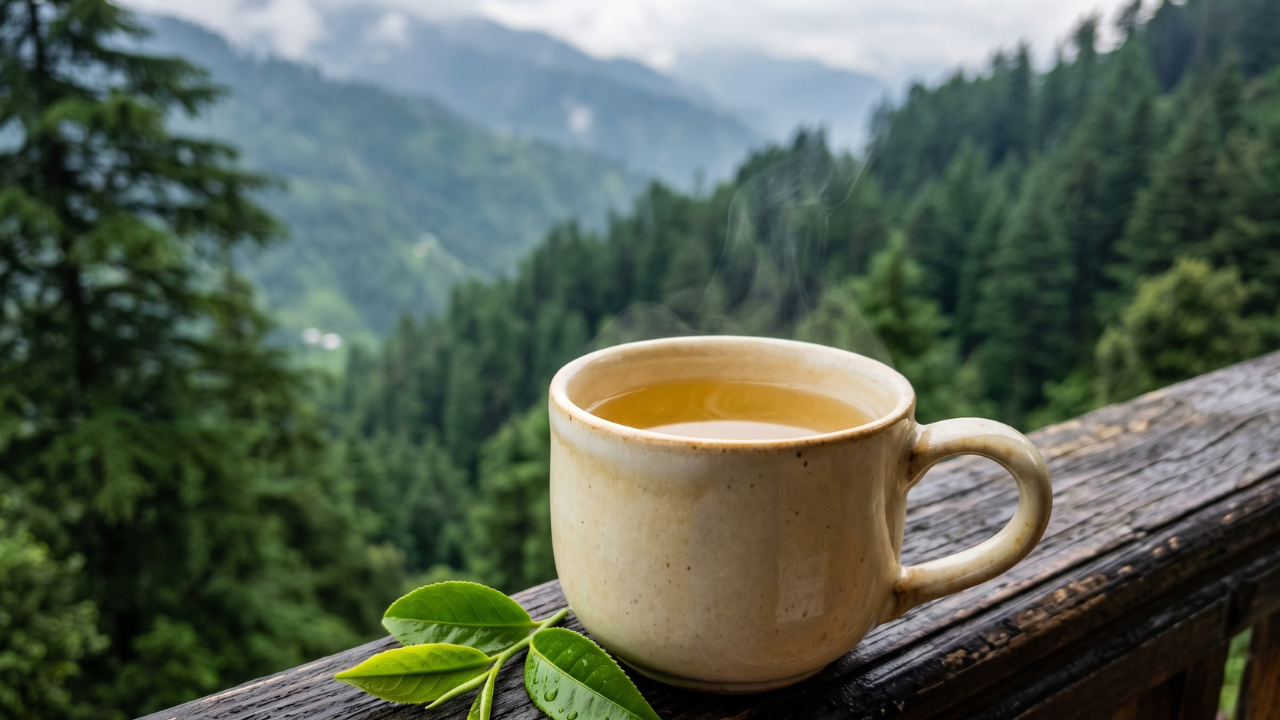
When you pour a cup of true Darjeeling tea, you are not just drinking a beverage. You are drinking history. You are tasting the soil of the high Himalayas, the morning mist of the mountains, and a centuries-old legacy that began with one of the greatest botanical heists in history.
Darjeeling tea is famously known worldwide as the "Champagne of Teas". Yet, if you were to buy a box from a major commercial brand today, there is a very high chance you are not tasting the authentic, original flavor that earned the region its legendary reputation.
To understand why modern mass-produced tea has lost its soul—and why we at Azalea Tea Estate insist on doing things the old, difficult, and authentic way—you have to look back at how tea arrived in these mountains in the first place.
The Chinese Connection and a Botanical Heist
Tea is not native to Darjeeling. In the early 1800s, the British East India Company was desperate to break China's global monopoly on the tea trade. While they had discovered native assamica tea plants growing in the warmer, lower plains of Assam, those leaves did not possess the delicate, complex flavors of the prized Chinese varietals.
In 1848, the British commissioned a Scottish botanist named Robert Fortune. His mission was simple but incredibly dangerous: infiltrate the tightly guarded tea regions of China, learn their closely held processing secrets, and smuggle the native Camellia sinensis (meaning "from China") seeds out of the country.
Fortune succeeded, smuggling tens of thousands of seeds and seedlings out in glass Wardian cases.
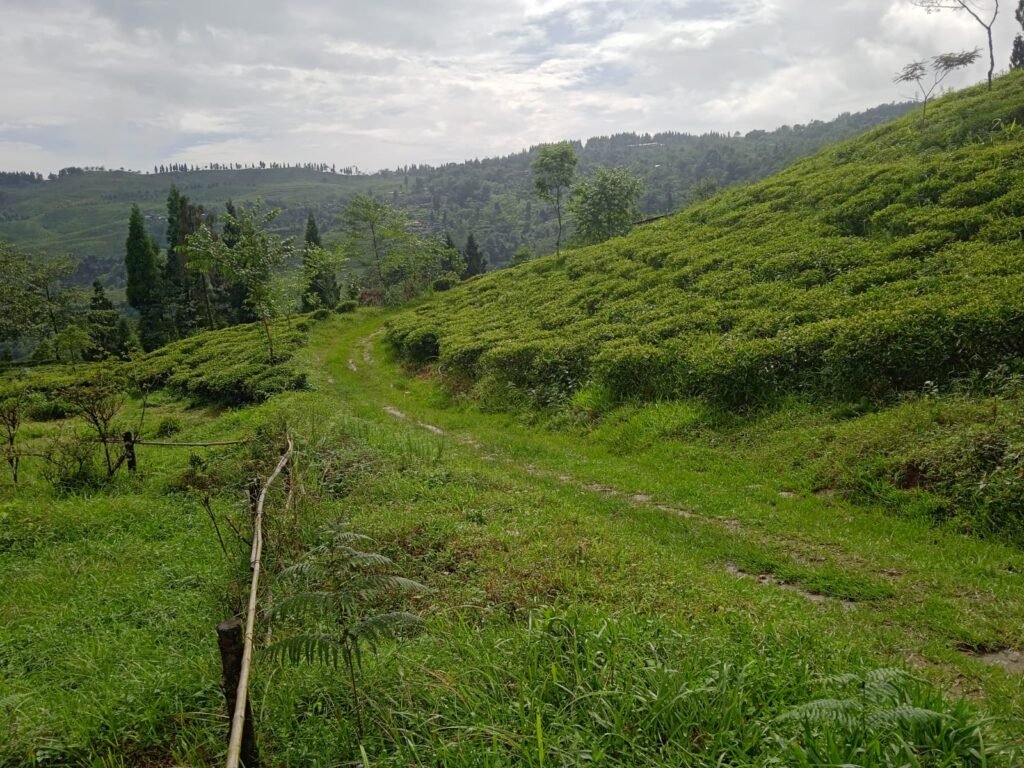
These original Chinese seeds found their perfect home in the high-altitude, mist-covered, steep slopes of Darjeeling. In 1841, Dr. Archibald Campbell, the first Superintendent of Darjeeling, planted these original seeds near his residence. The cool mountain air, acidic soils, and dramatic temperature shifts stressed the plants just enough to produce a completely unique, highly aromatic leaf that was even better than its Chinese ancestors.
This was the birth of authentic Darjeeling tea: grown purely from seed, deeply rooted in the mountain, and incredibly complex in flavor.
The Rise of Clones and the Story of AB2
For over a century, Darjeeling thrived on these original "Chinary" bushes. But as global demand skyrocketed, the massive commercial tea estates faced a problem: traditional seed-grown bushes take a long time to mature, and their yields can be unpredictable.
To maximize profits, the industry shifted away from the natural, slow process of seed cultivation. Instead, research stations began developing vegetative clones—taking a cutting from a single "mother bush" and replicating it endlessly.
One of the most famous of these clones is AV2 (Ambari Vegetative 2), originally evaluated in the 1960s under the name Ambari Balai 2 (AB2). Clones like AB2/AV2 were scientifically selected for their high yield, drought resistance, and strong flavor profiles. Today, it is considered one of the "kings" of commercial Darjeeling cultivars.
While clones like AB2 are capable of producing a good cup of tea, the industry's mass shift toward cloning came at a heavy cost. When you strip an estate of its traditional seed-grown bushes and replace them entirely with identical clones to hit commercial quotas, you lose the genetic diversity, the deep root structures, and the nuanced, multi-layered muscatel character that made original Darjeeling so famous.
The Adulteration of an Icon
The commercialization of Darjeeling did not stop at cloning. Today, the market is flooded with adulteration.
Because true Darjeeling tea is limited by geography and yields only a fraction of what lower-elevation regions produce, massive commercial brands often dilute their blends. They take a small percentage of high-yield clonal tea and mix it with cheaper leaves from Nepal or the plains. The resulting product is flat, lifeless, and heavily dependent on milk and sugar to mask its bitterness.
The art of the pure, unblended, single-estate harvest has been sacrificed for the sake of volume.
The Azalea Way: Returning to the Roots
At Azalea Tea Estate, we believe that shortcuts produce an inferior cup. We are not interested in competing with the massive, corporate-owned gardens that prioritize tonnage over taste.
We grow our tea the way Dr. Campbell and the early pioneers intended.
- Original Roots: We honor the heritage of the traditional, seed-grown Chinary bushes that possess deep root systems, pulling unique minerals from the untouched Himalayan soil.
- Zero Adulteration: What is grown on our estate stays on our estate. We do not blend our harvests with cheaper leaves to stretch our profits.
- Slow Craftsmanship: Our leaves are meticulously hand-plucked—only the two most tender leaves and the bud—and withered naturally in the cool mountain breeze.
When you stay at Azalea House, the tea you drink on your balcony is not a factory-produced clone designed to survive a supermarket shelf. It is a pure, unadulterated reflection of the mountain itself.
The next time you hold a warm cup of our golden spring flush, take a moment to breathe in the aroma. You aren't just tasting tea. You are tasting the true, wild, and original spirit of the Himalayas.